

CERTIFIED ORGANIC · WHOLE PULSE · UNPOLISHED
Buy Organic Whole Pulses Online India
Traditional unpolished whole pulses — Rajma, Kabuli Chana, Horsegram, Cowpea and more — grown on certified organic farms and delivered with their natural nutrition intact.
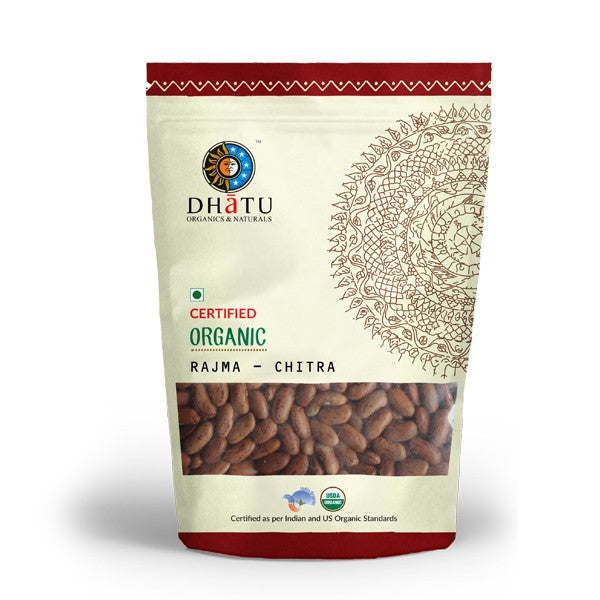
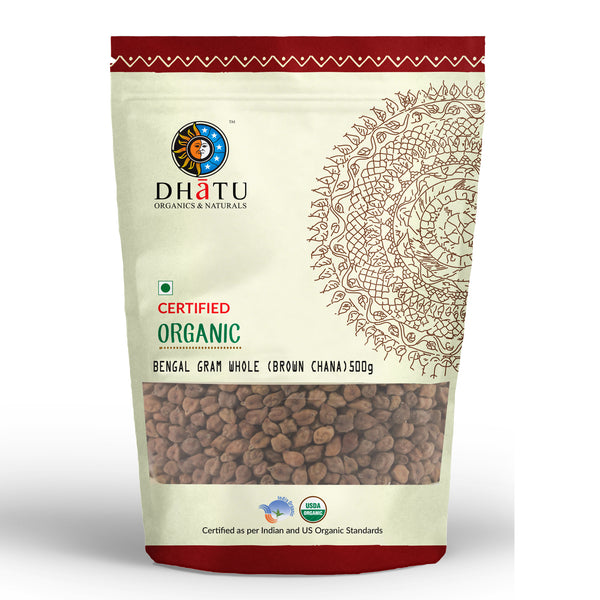
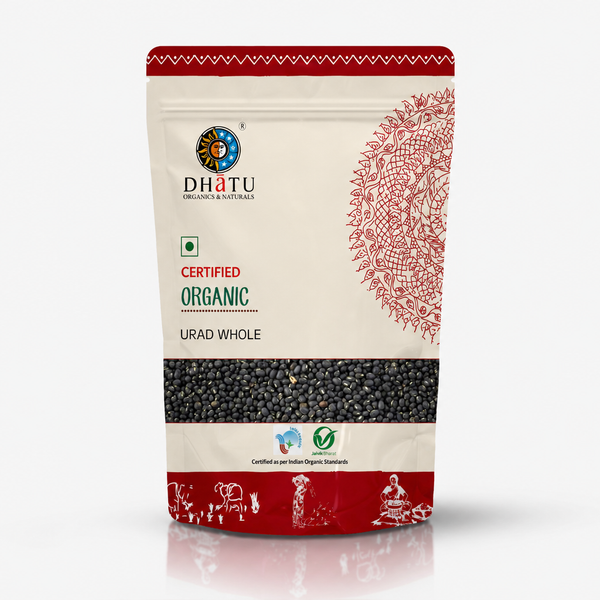
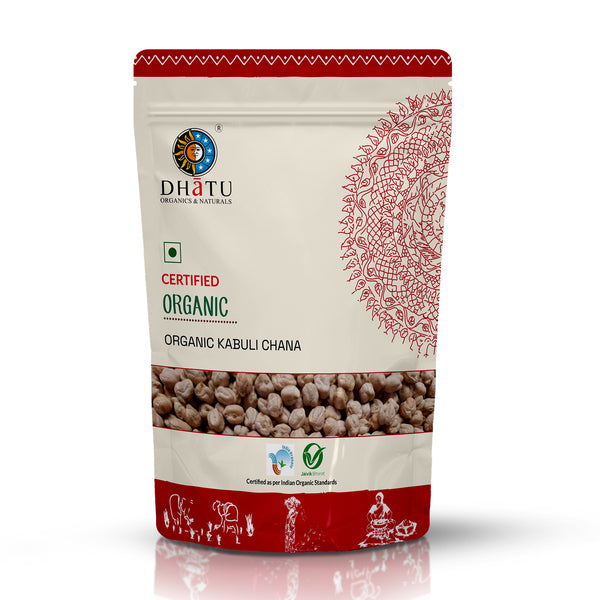
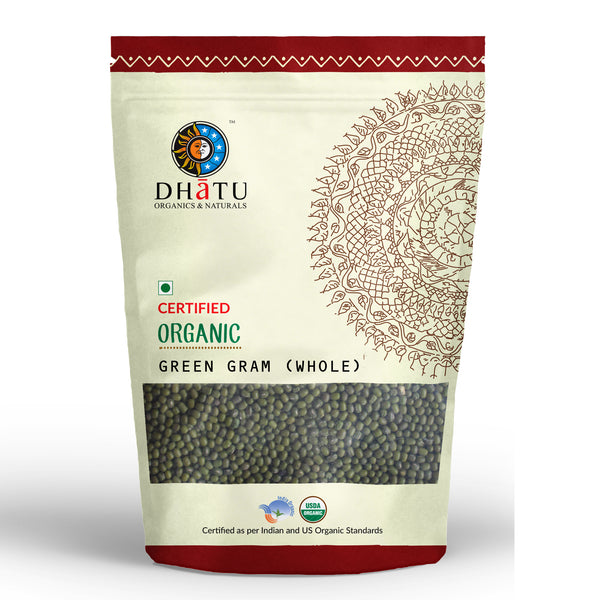
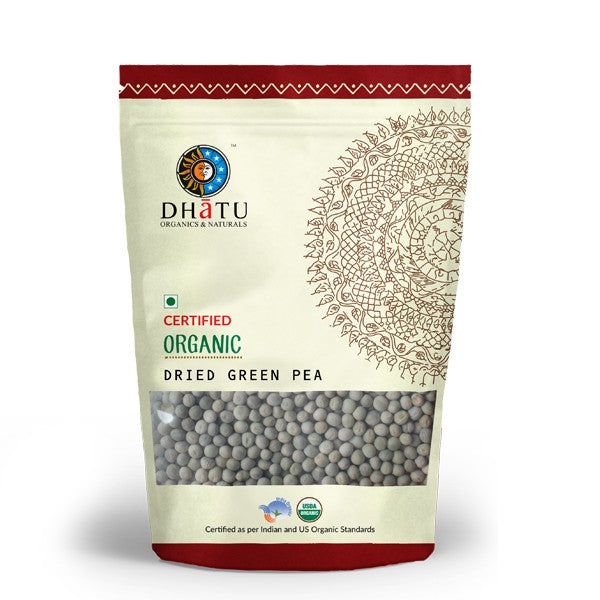
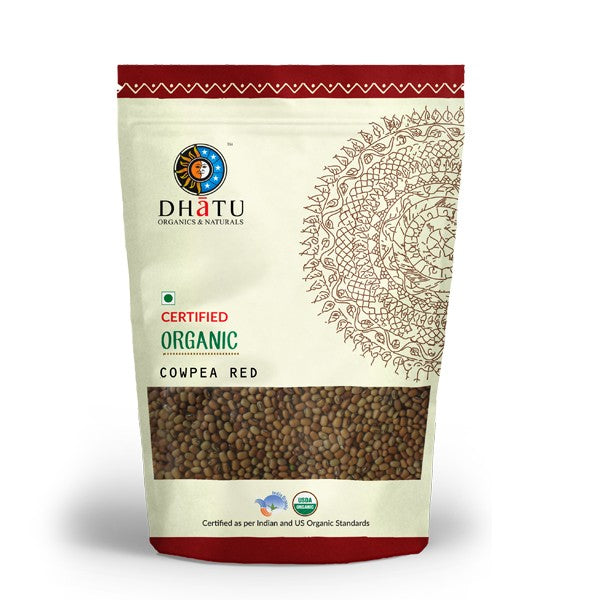
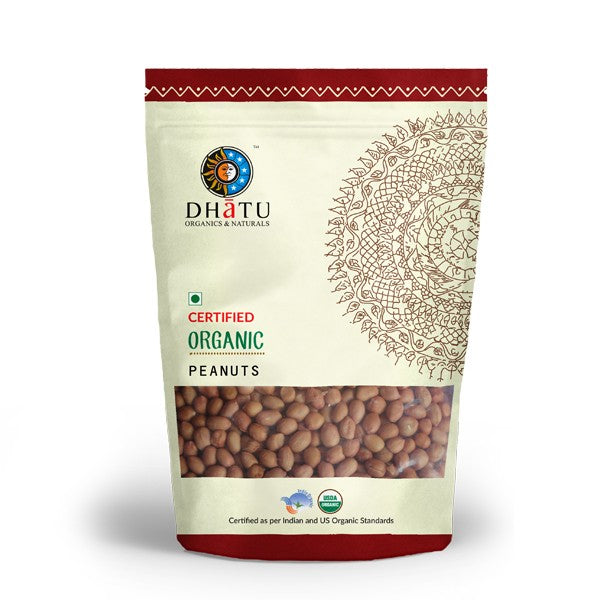
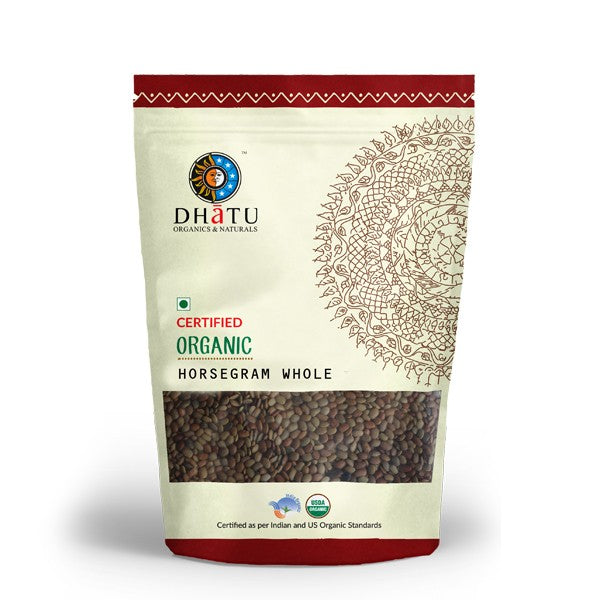
India's whole-pulse tradition goes back thousands of years — long before refrigeration, these legumes were the protein larder of every Indian household. Unlike split dals, whole pulses retain their seed coat, which carries additional fibre, micronutrients, and resistant starch. Dhatu Organics' pulses are grown on NPOP-certified farms, never polished or chemically treated, and packed in their natural state.
Our Whole Pulses
Nutritional Comparison (per 100 g raw)
| Pulse | Energy (kcal) | Protein (g) | Carbs (g) | Fat (g) | Fibre (g) | Calcium (mg) | Iron (mg) | GI |
|---|---|---|---|---|---|---|---|---|
| Rajma Chitra | 347 | 22.9 | 60.6 | 1.3 | 6.4 | 260 | 8.5 | 29 |
| Brown Chana | 360 | 17.1 | 60.9 | 5.3 | 7.1 | 202 | 4.6 | 36 |
| Sabut Urad | 341 | 24.0 | 59.6 | 1.4 | 0.9 | 154 | 9.1 | 43 |
| Horsegram | 321 | 22.0 | 57.2 | 0.5 | 5.3 | 287 | 7.0 | 29 |
| Kabuli Chana | 360 | 17.1 | 60.9 | 5.3 | 5.0 | 202 | 4.6 | 28 |
| Green Gram Whole | 334 | 24.0 | 56.7 | 1.2 | 4.1 | 75 | 7.3 | 25 |
| Dried Green Pea | 315 | 19.7 | 56.5 | 1.1 | 4.5 | 75 | 7.1 | 22 |
| Red Cowpea | 323 | 24.1 | 54.5 | 1.0 | 3.8 | 77 | 8.6 | 33 |
| Raw Peanuts | 567 | 25.3 | 16.1 | 47.5 | 8.5 | 92 | 4.6 | 14 |
| Sources: ICMR Nutritive Value of Indian Foods (Gopalan et al., 2002). GI values: Foster-Powell et al., Am J Clin Nutr 2002;76:5–56 (glucose=100 reference scale). | ||||||||
Why Dhatu Organics
Frequently Asked Questions
What is the difference between whole pulses and split dals?
Whole pulses retain their seed coat (husk), which contains additional fibre, B-vitamins, and iron compared to split, hulled dals. The husk also slows digestion of the starch inside, resulting in a lower glycaemic response. Split dals (moong dal, toor dal, chana dal) are processed to remove the husk and split the seed — they cook faster but lose some micronutrients in the process. Neither is universally superior; both have a place in a balanced diet.
Why are these pulses not polished like supermarket varieties?
Commercial pulses are frequently polished with edible mineral oil or synthetic coatings to give them a uniform shine and prevent surface cracking during storage. While these coatings are considered food-safe, they mask the natural appearance of the pulse and add substances not native to the grain. Dhatu Organics' pulses are unpolished — they may look slightly duller or uneven, but this reflects their unprocessed nature. Rinse well before cooking regardless.
Which pulses are best for sprouting at home?
Green Gram Whole (Sabut Moong) is the most reliable and fastest-sprouting pulse — soak 8 hours, sprout 24–36 hours in a damp cloth or sprouting jar. Red Cowpea, Brown Chana, and Rajma also sprout well but require longer soak times (10–12 hours) and 48–72 hours to develop visible sprouts. Horsegram sprouts well but has a distinctly bitter flavour when eaten raw — traditionally consumed lightly steamed. Kabuli Chana and Dried Green Peas sprout successfully but are more commonly eaten cooked. Peanuts do not sprout in the traditional sense and should be consumed cooked or roasted.
How do I reduce cooking time for hard pulses like Rajma and Horsegram?
Adequate soaking is the single most effective method — soak for 10–12 hours (not 2–3 hours) in cold water. Add a pinch of baking soda to the soaking water if you are in a hard-water area; it softens the seed coat. Use a pressure cooker rather than open cooking — Rajma needs 4–5 whistles on medium flame, Horsegram 5–6 whistles. Discard the soaking water and use fresh water for cooking. Salting at the end of cooking (not the beginning) prevents the skins from toughening.
Are these pulses suitable for a high-protein vegetarian diet?
Yes. Most pulses in this range contain 17–25 g of protein per 100 g dry weight. Peanuts contain 25.3 g protein per 100 g along with healthy unsaturated fats, making them particularly calorie-dense. For context, a 40 g serving of Red Cowpea provides approximately 9.6 g protein — comparable to a medium egg. Combining pulses with whole grains (rice, millet, roti) improves amino acid complementarity, as pulses are typically low in methionine while grains are low in lysine — together they provide a more complete protein profile.
Which pulse has the highest calcium content?
Horsegram is the standout at 287 mg calcium per 100 g raw — higher than Rajma (260 mg), Brown Chana (202 mg), Sabut Urad (154 mg), or any other pulse in this range. For reference, full-fat milk contains approximately 120 mg calcium per 100 ml. A 40 g serving of Horsegram provides 115 mg calcium — about 11.5% of ICMR's adult reference daily intake. This is one reason Horsegram has been used in traditional South Indian household medicine and Ayurvedic formulations for centuries.
What does 'NPOP Certified' mean on the packaging?
NPOP stands for the National Programme for Organic Production — India's government-administered certification framework under the Ministry of Commerce. NPOP-certified farms are inspected annually by accredited certification bodies. They must comply with standards prohibiting synthetic pesticides, chemical fertilisers, GMO seeds, sewage sludge, and ionising radiation. The certification covers the entire production chain from soil management to post-harvest handling. Dhatu Organics maintains traceability to the specific certified farm for each product line.