

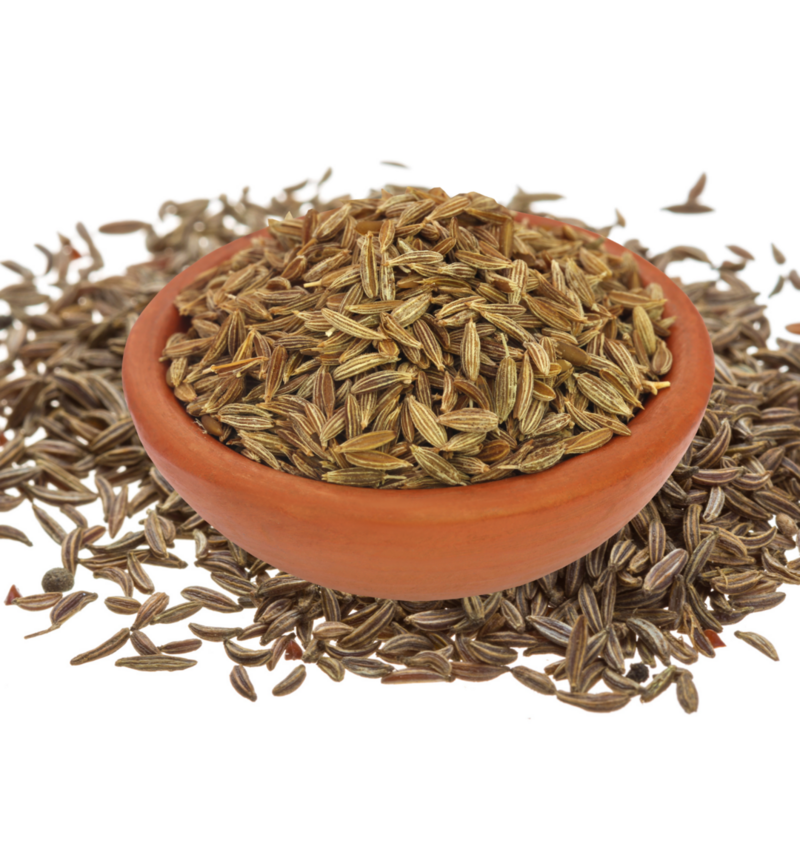
Shahi Jeera 100g
₹ 190.00
Dhatu Organics Shahi Jeera 100g is certified organic black cumin or caraway — Carum carvi or Bunium persicum (Royal/Shahi Cumin) — the intensely aromatic, slightly sweet seed ... Read more ↓
100% Organic
No Additives
Free Delivery ₹749+
Organic Shahi Jeera / Royal Cumin (Carum carvi / Bunium persicum)
Nutrition Facts
| Nutrient | Per serving | Per 100g | % RDA* |
|---|---|---|---|
| Per 100g | Energy 333 kcal | Protein 19.8g | Carbohydrates 49.9g |
| Per 2g serving | Energy 6.7 kcal | Iron 0.32mg | Calcium 13.8mg |
* % RDA based on a 2000 kcal reference diet (FSSAI). Values are approximate and may vary by batch.
We deliver across India within 3–5 business days via trusted logistics partners.
- Free delivery on orders above ₹749.
- Orders dispatched within 1 business day of payment confirmation.
- Perishable goods cannot be returned once dispatched. Non-perishable items may be returned within 7 days in original, unopened condition.
- For damaged or incorrect items, contact info@dhatuorganics.com within 48 hours of delivery.
Choose Your Pack
Dhatu Organics Shahi Jeera 100g is certified organic black cumin or caraway — Carum carvi or Bunium persicum (Royal/Shahi Cumin) — the intensely aromatic, slightly sweet seed that is essential for Mughal and Kashmiri cooking styles. Shahi Jeera is distinct from regular cumin (jeera): it has a finer, darker, more elongated shape with a sweeter, more delicate, and complex aroma compared to the earthier, more pungent regular cumin.
Shahi Jeera vs. Kala Jeera vs. Regular Jeera: There is significant naming confusion around these seeds in India. “Shahi Jeera” (Royal Cumin) typically refers to Bunium persicum — the fine, dark, sweet seeds from Kashmir and the mountains of Central Asia. “Kala Jeera” can refer to either this or to Nigella/black seed (Nigella sativa), which is a completely different plant. Regular jeera (Cuminum cyminum) is the common cumin used in everyday cooking. Shahi Jeera has a sweeter, more refined fragrance — ideal for biryani, pulao, and rich curries where subtlety is desired.
Ingredients
Organic Shahi Jeera (Black Cumin / Royal Cumin) (Carum carvi / Bunium persicum)
Single ingredient · No additives · No preservatives · Certified organic
Certified Organic Non-GMO Gluten-Free Vegan
Nutrition Facts
Per 100g · Per 2g serving (approx. 1 tsp whole)
| Nutrient | Per 100g | Per 2g |
|---|---|---|
| Energy | 333 kcal | 6.7 kcal |
| Protein | 19.8 g | 0.40 g |
| Carbohydrates | 49.9 g | 1.00 g |
| Total Fat | 14.6 g | 0.29 g |
| Dietary Fibre | 38.0 g | 0.76 g |
| Iron | 16.2 mg | 0.32 mg |
| Calcium | 689 mg | 13.8 mg |
| Magnesium | 258 mg | 5.16 mg |
Values approximate based on caraway data (Carum carvi). Source: USDA FoodData Central.
Key Benefits
- Carvone Digestive Activity: The primary volatile compound in shahi jeera, carvone (along with limonene), is a potent carminative that relaxes smooth muscle in the GI tract, reducing bloating, flatulence, and intestinal spasm.[1]
- High Iron and Calcium: 16.2 mg iron and 689 mg calcium per 100g — even at small culinary quantities, shahi jeera contributes meaningfully to mineral intake.
- Antispasmodic: Carvone has been studied for antispasmodic effects on intestinal smooth muscle, supporting its traditional use in relieving stomach cramping and colic.[2]
- Appetite Stimulant: The aromatic volatiles in shahi jeera stimulate gastric acid secretion and bile production, enhancing appetite and preparation for digestion before eating.[3]
- Complex Aromatic Profile: The unique combination of carvone, limonene, and other terpenoids gives shahi jeera an irreplaceable fragrance for Mughal-style biryanis that regular cumin or caraway cannot replicate.
How to Use
- Biryani: The defining spice of Mughal-style biryani — add 1 tsp to hot ghee when making biryani base. The carvone aroma permeating through the rice layers is unmistakable.
- Kashmiri Dum Aloo: Shahi jeera-flavoured yoghurt-based gravy is classic Kashmiri preparation.
- Shahi Paneer: A pinch tempered in ghee at the start of the gravy base gives Shahi Paneer its characteristic rich, royal aroma.
- Pilaf and Pulao: Add whole seeds to the initial ghee tempering for any fragrant rice dish.
- Raita: Dry-roast and crush briefly, then add to yoghurt raita for a warming aromatic finish.
Frequently Asked Questions
Is Shahi Jeera the same as Nigella seeds (kalonji)?
No. Despite some regional naming overlap, shahi jeera and nigella (kalonji) are entirely different plants with very different flavours. Shahi jeera (Bunium persicum or Carum carvi) has a sweet, anise-like, refined fragrance. Nigella sativa (kalonji / onion seeds) has a sharp, peppery, slightly bitter flavour. They are used in different dishes and are not interchangeable.
Can I substitute regular cumin (jeera) for shahi jeera?
In a pinch, yes — but the result will be noticeably different. Regular cumin is earthier, warmer, and more pungent. Shahi jeera is sweeter, more delicate, and refined. For biryani and Mughal-style dishes where the spice is prominent, the substitution will alter the character of the dish. For background-flavour applications, the substitution is more acceptable.
How do I store shahi jeera?
Store in an airtight container in a cool, dark cupboard. Whole seeds maintain their aromatic carvone for 2–3 years. Ground shahi jeera loses potency within 6–12 months. For biryani use, always grind or crush freshly if possible rather than using pre-ground stored powder.
Explore More from Dhatu Organics
- Organic Cumin Whole 100g — the everyday cumin, milder cousin to shahi jeera
- Organic Garam Masala Powder 50g — ready-made whole spice blend for biryani and curries
- Organic Cinnamon Whole 100g — classic biryani spice alongside shahi jeera
- All Organic Spices — browse our complete certified organic spice collection